Shrink film generally proves to be a suitable packaging material for many products. Nonetheless, you may sometimes end up having issues with a shrink film. After finding out that shrink wrapping didn’t work well, now you are back to searching online to find a solution to your problem.
In such a scenario, shrink may not be the appropriate material for your products. Another quite similar-looking alternative is heat seal tubing, which may be the right solution you needed in the first place. On the other hand, you may have purchased heat seal tubing but what you needed was shrink film.
Many people confuse heat seal tubing with shrink films due to their almost similar appearances. In this article, we will discuss the characteristics of both to help you understand their differences.
What is shrink film?

Shrink film is a packaging material consisting of soft formulations of plastic. Materials used in the creation of shrink film are polyethylene, polyolefin, and polyvinyl chloride. Other plastic formulations are also used to make specialty films.
The application of shrink film requires the use of shrink packaging equipment. It may include sealers and heat tunnels, both of which are the crucial parts of shrink packaging machinery. A conveyor belt moves products into the heat tunnel where they are heated. This heat shrinks the film uniformly around the product.
Shrink film is used for packaging several consumer goods, including video games, electronics, food products, game boards, and a lot more. Based on your requirements, you can consider buying perforated or heat-sensitive shrink films.
What is heat seal tubing?
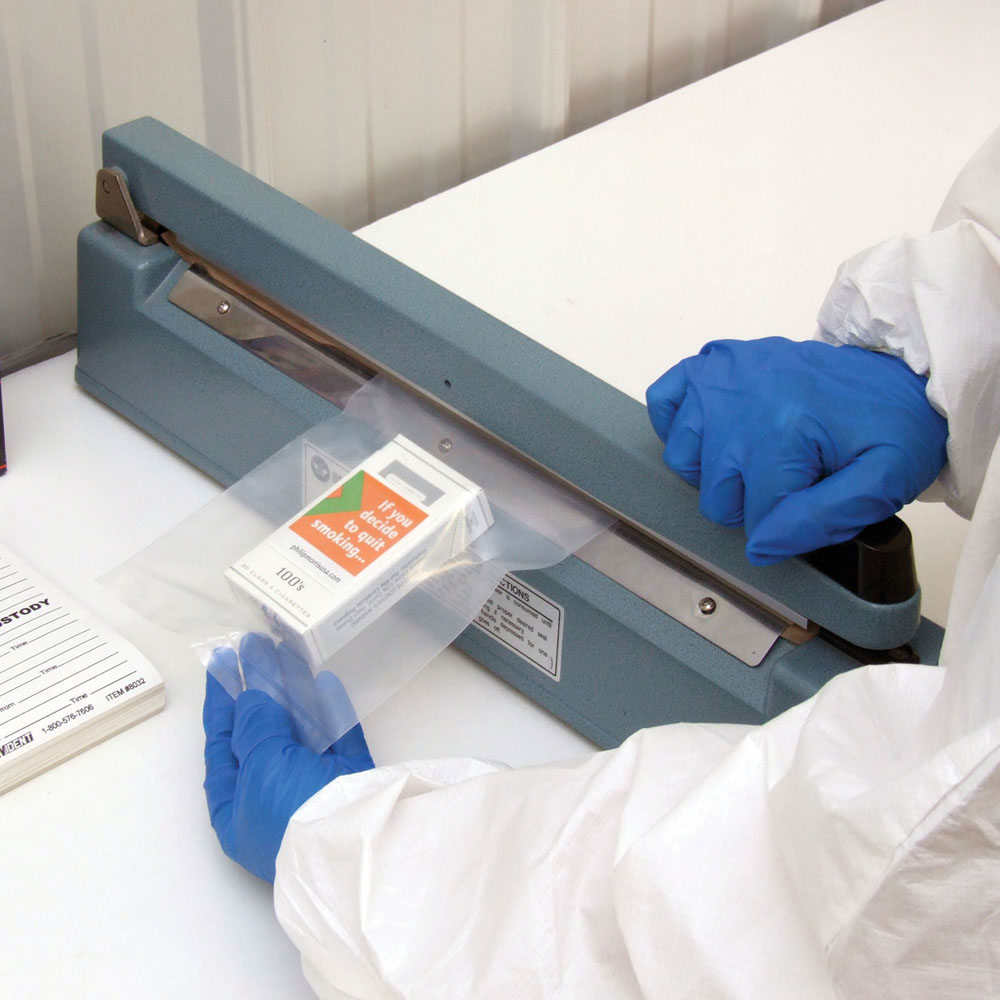
Heat seal tubing is also known as poly tubing, and it is a plastic tubing substrate. It usually consists of polyethylene, but other formations are also available. You can ask for those formulations from your packaging vendor.
This tubing comes in the form of tube-shaped packaging film. It is ideal for the shipping, storage, and protection of products. The purpose of this film is to protect wrapped products from contaminants such as dust, dirt, and moisture. From this perspective, this film functions pretty much in the same way as the shrink film. This tubing, however, is thicker than shrink film. That adds much to its ability to resist punctures.
Heat seal tubing may be the right choice if your products are elongated or oddly shaped. You can cut this tubing into custom lengths, depending on the dimensions of your products. After cutting a particular length of the tube, you will have to place the product inside and seal it using a sealer. This sealed product is then moved into the heat tunnel, where film shrinking takes place.
This method of product packaging has several applications in the packaging and shipping industry. You can use it for packaging flag poles, curtain rods, gift wrapping rolls, and other oddly shaped objects and products. You can also purchase printable versions of heat seal tubing if you want to promote your brand through packaging design.
Whether you should choose shrink film or heat seal tubing depends entirely on your packaging requirements. The best way is to discuss your requirements with your packaging vendor before purchasing.
 Cardboard Boxes Business