You pack the item, close the box, and feel good about it. Everything looks fine on the outside. The tape is down. The box is clean. It feels like the job is done. Then a few days later, the package shows up and something is off. The item is scratched, bent, or broken. That is when you realize something inside the box was not right.
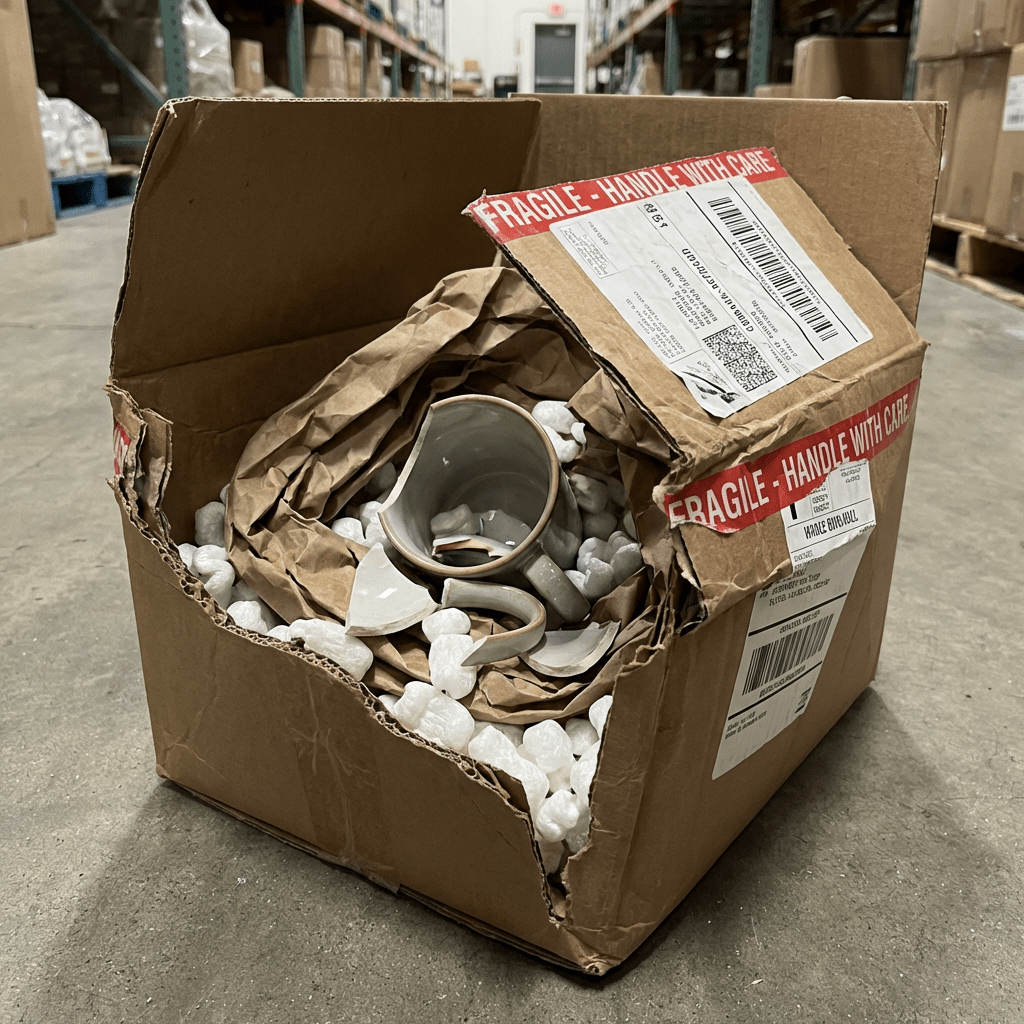
This happens more than people think. The problem is not always what you can see. It is what is going on inside during the trip. Boxes do not travel gently. They get moved fast, set down hard, and stacked under other boxes. Now imagine your item inside that box during all of that. If it is not held in place, it starts to move.
When an item moves, it hits the sides of the box. It can bump into corners or press against the top and bottom. Each small hit adds stress. One hit may not seem like much, but over time, those hits can cause damage. That is why the way you use packaging supplies matters so much.
Start by thinking about how your item sits inside the box. Place it in the center, not pushed up against one side. This gives you room to protect it from all directions. Then begin to build a layer around it. This layer should feel soft but firm, like a cushion that holds the item steady.
Packing paper is a simple way to do this. When you crumple it and place it around the item, it fills empty space and helps stop movement. Air pillows can also help because they press down and absorb force when the box is handled. Soft wrap can go around the item itself to keep it from getting scratched.
The key is not just adding material, but placing it with purpose. You want to fill every gap where the item could shift. If there is open space, the item will find it. When that happens, it gains speed inside the box, and that is when damage can occur.
Box size plays a big role too. A box that is too large creates too much room for movement. A box that is too small can press against the item and cause stress. The right box gives you just enough space to add protection without leaving the item loose.
There is also a moment that many people rush through, and that is the final check before sealing the box. Take a few seconds and lift the box. Gently move it side to side. If you feel anything shift, open it back up and adjust the padding. This small step can save you from a bigger problem later.
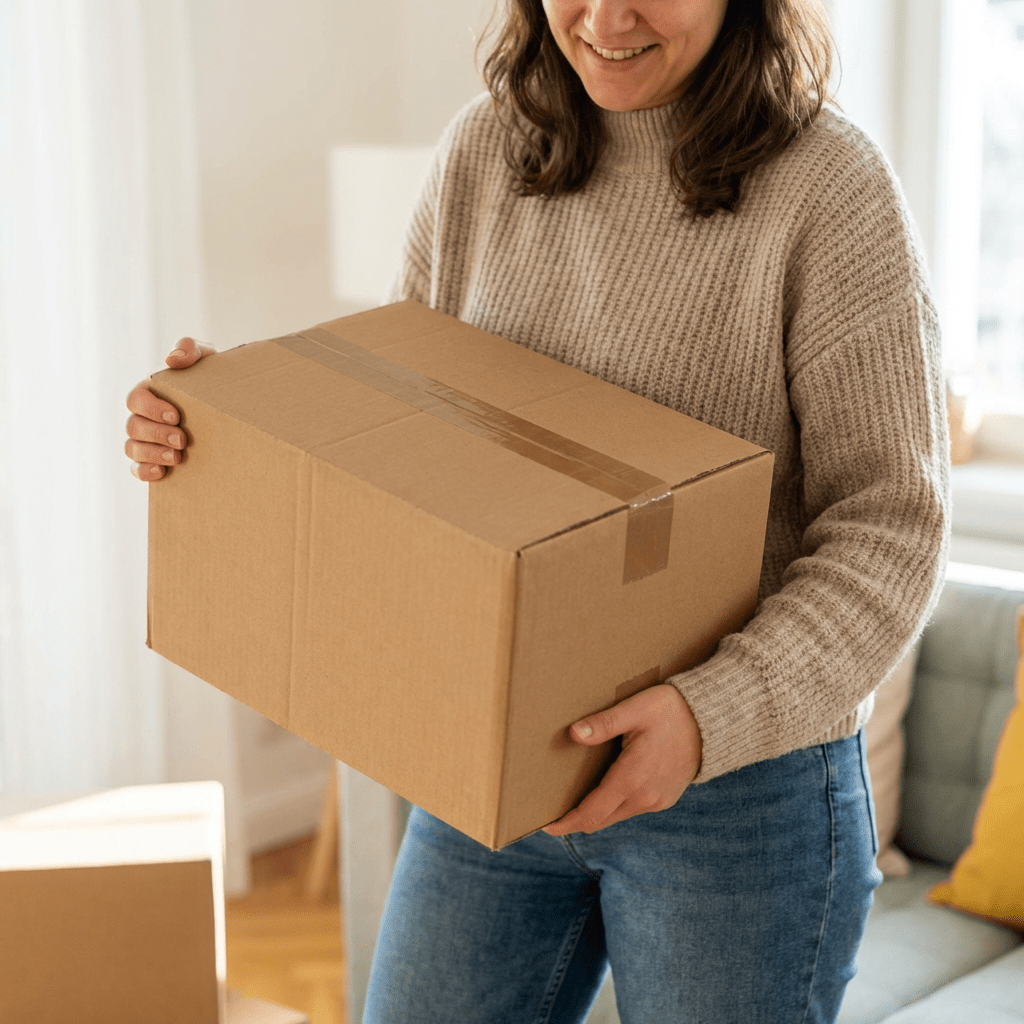
The bottom of the box should feel strong as well. This is where weight sits during the trip. If the base is weak, it can bend or give out. Adding a little extra support on the bottom helps keep everything stable.
When it comes time to seal the box, do not rush it. Tape helps the box keep its shape when pressure is applied. A solid seal across the top and bottom makes the whole package stronger.
Using packaging supplies the right way is not about using more. It is about using them with care and thought. You are building a safe space inside the box, one that protects your item from the first step of the trip to the last.
In the end, the goal is simple. When the box is opened, everything inside should look just the way it did when you packed it. Clean, safe, and ready to use. That kind of experience builds trust, and it starts with how you pack from the very beginning.

