Though an empty box appears clean, a box cannot be used for food without being checked for contamination by ink, glue, film, and paper. Even if the food rests in a liner (and some liners are unsafe) this is why retailers must review packaging supplies prior to filling their first order. Checking your packaging quickly can avoid spills, odors, and later difficult questions.
You need to find out if the pack has been certified to be used for food contact. Do not assume that because a cup, bag or sheet appears clean that it meets the requirements for food contact. Have the supplier provide you with a food-contact certification statement and save it in your files. Because the FDA evaluates these materials to determine what type of products they are intended to protect (for example, dry snack products), one package may be acceptable for dry snack products but unacceptable for soup or oil products.
Both the type of product being packaged and the packaging method itself affect the quality of the final packaged product. For example, bread, candies, sauces, cheeses, and fried products require different types of paper and film than other products. In addition to evaluating the packaging components themselves, wet or oily products require a barrier component which prevents the migration of moisture through the packaging. Products such as sour foods require a packaging component specifically designed for those applications. Therefore, evaluate the adhesive/glue; ink/coating; seal/lid; and liner/liner coating to ensure none of these potential contaminants are exposed to the product.
Another consideration in selecting packaging is temperature. Just like there is a difference in packaging for hot soups versus cold salads, similar differences exist in packaging for frozen items versus heated items. A container or tub that is suitable for storing cold salads may not be suitable for containing hot soup, placing it into a warm oven or using a microwave. Let the packaging supplier know about the anticipated temperature range of the packaged food item, how long the packaged item will remain sealed, and if customers will be heating the product in its packaging. These considerations assist the supplier in matching the correct packaging component to its application.
Maintaining clean storage: packaging suppliers have invested in ensuring that packaging components are manufactured in a sanitary environment. To maintain their integrity as well as availability for immediate use, store bags, wraps and containers in their original closed cases until the start of your workday. Store packages above the floor and away from cleaning agents/fuels/dust/pests/strength odor sources. When preparing to fill packaging, use a sanitized worktop and never reuse a tray or wrap that contained raw animal tissue. All new food must come into contact with a fresh/sanitized surface.

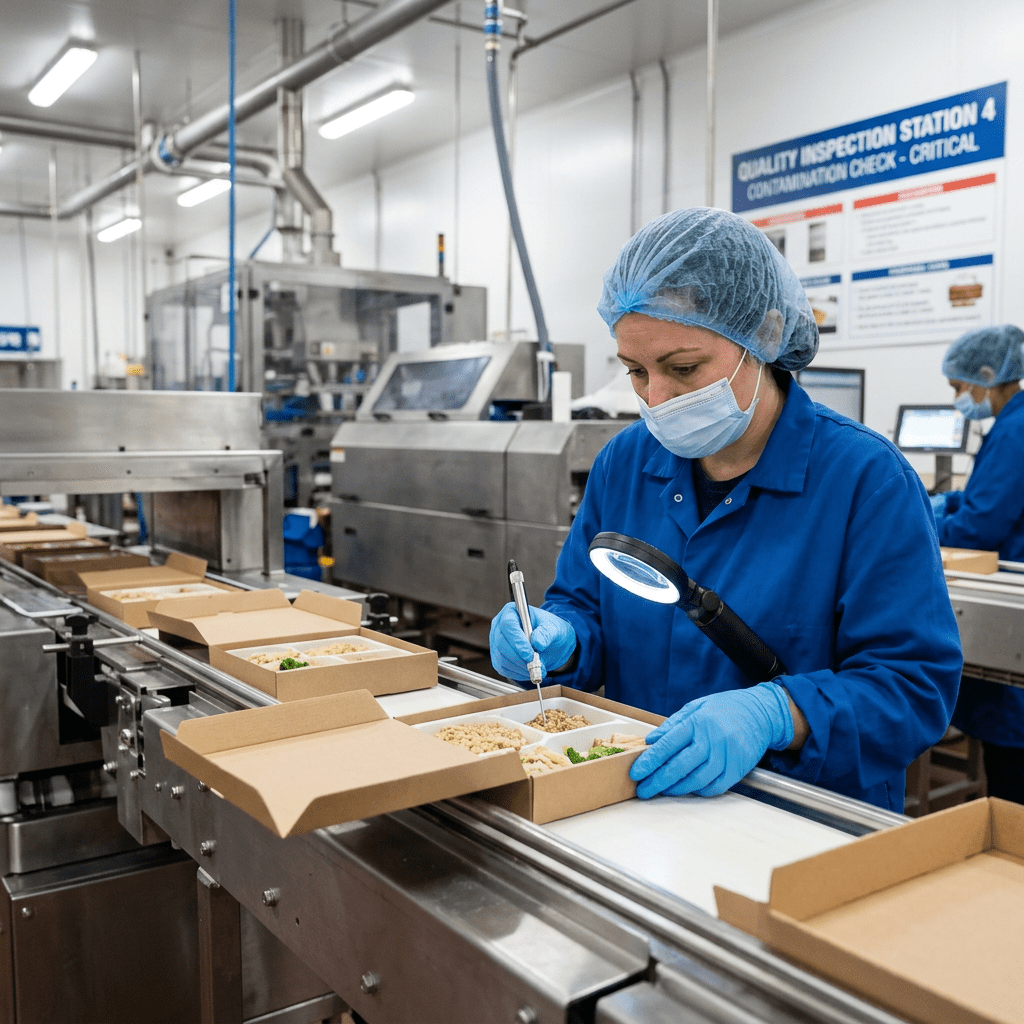
Perform a small test run of your packaging process before initiating a complete days’ worth of customer transactions. Fill the package with actual product and seal it according to specifications. Then, subject the sealed package to the same conditions that a consumer will experience during the shelf life of the product. Inspect the sealed package for signs of leakage, grease residue, weakened seams or soft walls. Upon opening inspect for visible color transfer from the packaging to the contents as well as any unanticipated odor development. Only apply thermal processing/heating/chilling to samples that comply with the manufacturer’s instructions.
Record the specific item code, lot number, testing date and validated usage(s). Ensure that all employees use the same packaging component for the same food product. If “green” claims are important to you (i.e., biodegradable/recycled content), confirm that such features were evaluated for compliance with the intended use of the packaging component. Claims related to environmental impact do not take precedence over food safety evaluations.

